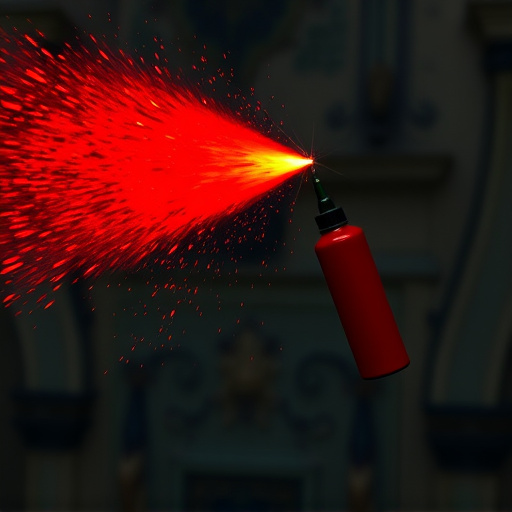
Pepper spray, a self-defense tool using capsaicin from chili peppers, requires understanding its active ingredient's effects and application techniques. Consider wind direction (Pepper Spray Wind Direction Tips) to ensure accurate deployment and effectiveness against attackers. Choose durable, weather-resistant pepper spray with clear instructions from reputable brands. Master aiming techniques, considering wind, to enhance safety in diverse environments. Adhere to local laws, obtain permits if needed, and use pepper spray responsibly as a last resort for self-defense.
Personal safety is paramount in today’s world, and carrying pepper spray can be a crucial component of your defense strategy. This comprehensive guide explores the essential aspects of personal security with an emphasis on inflammatory pepper spray. From understanding the active ingredients and their effects to choosing the right spray for your needs, we cover it all. Learn optimal application techniques, including pepper spray wind direction tips, and navigate legal implications for responsible use.
- Understanding Pepper Spray Basics: Active Ingredients & Effects
- Choosing the Right Spray: Factors to Consider for Personal Safety
- Mastering Application Techniques: Wind Direction Tips for Optimal Effectiveness
- Legal Implications & Responsible Use: Navigating Regulations and Safety Precautions
Understanding Pepper Spray Basics: Active Ingredients & Effects
Pepper spray, a powerful personal safety tool, is designed to temporarily disable an attacker and create an escape route. Understanding its basics, particularly the active ingredients and effects, is crucial when considering its use. The primary active ingredient in pepper spray is capsaicin, derived from chili peppers. When sprayed, capsaicin irritates the eyes, nose, throat, and skin, causing a burning sensation and temporary blindness. This disruption can enable users to escape safely.
The effectiveness of pepper spray also depends on proper usage and environmental factors, such as wind direction tips. Understanding how wind affects spray dispersion is vital for maximizing its impact. When applying pepper spray, it’s recommended to aim at the attacker’s face and eyes, ensuring a direct hit. Conversely, if wind is blowing towards you, consider spraying behind or slightly above your target to avoid self-defense.
Choosing the Right Spray: Factors to Consider for Personal Safety
When considering pepper spray for personal safety, choosing the right one depends on various factors. One critical aspect is understanding the spray’s range and effectiveness against wind direction. Pepper spray is designed to disable an attacker temporarily by irritating the eyes and respiratory system, so selecting a product with a reach that suits your needs is essential. Consider if you’re in an area prone to windy conditions; the spray’s direction can be affected by even light breezes, potentially rendering it less effective.
Additionally, look for features like ease of use, durability, and weather-resistant construction. It’s also wise to opt for a brand that offers clear instructions and includes safety tips, such as advice on the pepper spray wind direction. These considerations will ensure you’re prepared with a reliable tool for self-defense in various environments and conditions.
Mastering Application Techniques: Wind Direction Tips for Optimal Effectiveness
Mastering the application technique of pepper spray is crucial, especially when considering its effectiveness in self-defense scenarios. One often overlooked aspect is understanding wind direction and how it can impact the spray’s outcome. When aiming at an assailant, remember that wind plays a significant role in the spread of the spray’s active ingredients. For optimal effectiveness, it’s best to apply the spray into the wind. This ensures that the pepper particles are carried directly towards the target, increasing the chances of incapacitating the attacker.
If you find yourself in an open area with variable winds, try to position yourself slightly sideways or even back away from the wind source. This way, you can control the direction of the spray more precisely without the natural breeze interfering with your aim. Practicing these Pepper Spray Wind Direction Tips can significantly enhance your safety and self-defense capabilities, ensuring that you’re prepared for any unexpected situations.
Legal Implications & Responsible Use: Navigating Regulations and Safety Precautions
Using personal safety pepper spray is a significant decision that comes with legal implications and requires responsible use. It’s crucial to understand local laws and regulations regarding the ownership, carry, and deployment of pepper spray. Penalties for misuse can be severe, including fines and imprisonment. Always check your state’s specific rules, as they vary widely. For instance, some areas require permits or registration for certain types of pepper spray.
When using pepper spray, consider the pepper spray wind direction tips to ensure safety and effectiveness. Wind patterns can impact how the spray disperses, potentially causing harm to bystanders if not used properly. Responsible use involves aiming away from faces, avoiding inhalation, and only deploying when necessary as a last resort for self-defense. Remember, legal protections for pepper spray use are often narrow, so it’s essential to act within your rights and with caution.
Personal safety is paramount, and carrying pepper spray can be a crucial component of that strategy. By understanding the active ingredients and effects, making informed choices based on your needs, mastering application techniques like wind direction tips for optimal effectiveness, and navigating legal implications with responsible use, you can ensure that this powerful tool serves as an effective deterrent in potentially dangerous situations. Remember, knowledge and preparation are key to maintaining your safety and peace of mind.